
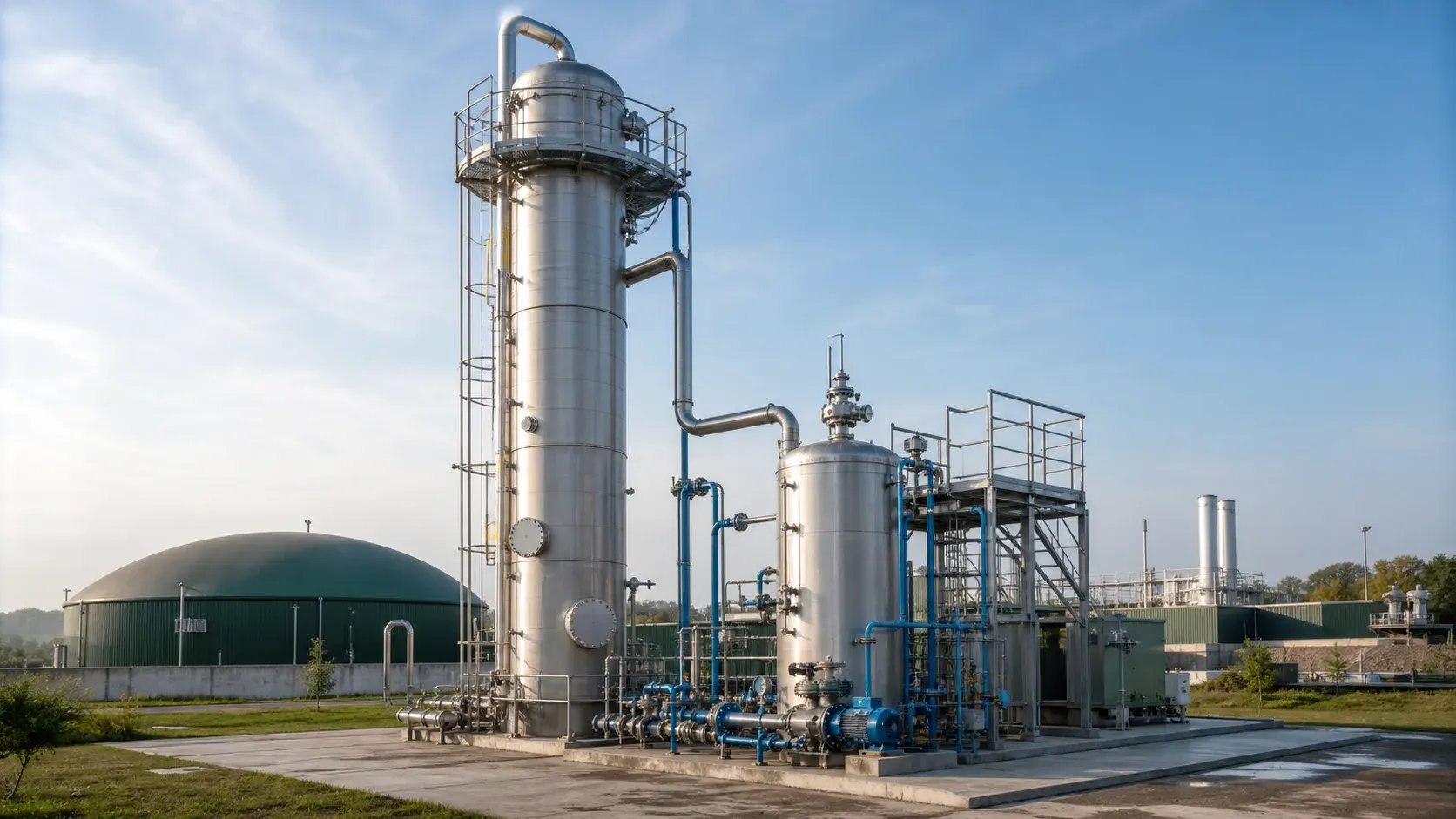
Biogas is a renewable energy source created from organic waste through anaerobic digestion. In its raw form it contains methane (CH₄) plus impurities — carbon dioxide, hydrogen sulphide, water vapour, trace contaminants. To become high-value biomethane suitable for grid injection or use as compressed natural gas, those impurities have to come out. Water scrubbing is one of the oldest, most proven, and still most widely used technologies for that job.
The science is simple
Water scrubbing exploits a basic chemical fact: CO₂ and H₂S are far more soluble in water than methane is. Run raw biogas counter-currently through a column of water under pressure, and the contaminants dissolve preferentially while the methane passes through largely unchanged.
The process in brief:
- Compression — raw biogas is compressed to increase the solubility of impurities (Henry’s Law works in your favour at higher pressures).
- Absorption column — biogas flows up through a packed column while pressurised water flows down. CO₂ and H₂S dissolve into the water; methane continues up.
- Methane outlet — the cleaned gas leaves the top of the column at 96–98% CH₄ purity.
- Water regeneration — the contaminated water is depressurised in a flash tank, releasing the absorbed gases (which are typically vented or further treated). The regenerated water cycles back to the absorption column.
It’s a clean physical process — no chemicals consumed, no exotic equipment, just water, pressure, and well-understood mass-transfer engineering.
Advantages of water scrubbing
- Robust and reliable — water scrubbers are mechanically simple. They’ve been operating at biogas plants for decades, and the failure modes are well-understood.
- High biomethane purity — 96–98% CH₄ is the standard operating point, comfortably meeting most pipeline-injection specifications.
- No chemical consumables — unlike chemical scrubbing, the only consumable is water (typically recycled), making operating costs predictable.
- H₂S co-removal — water scrubbing tackles both CO₂ and H₂S in one pass, removing the need for separate desulphurisation upstream.
Considerations
- Footprint — water scrubbers are physically larger than membrane systems at equivalent throughput. The absorption column and the regeneration plant both take space.
- Water management — even with recycling, water make-up and contamination management are part of the operation.
- Methane slip — some methane dissolves in the water alongside the CO₂. Modern designs minimise the slip with optimised column design and operation, but it’s a real economic line item.
- Capital cost vs alternatives — competitive at large scale; membrane systems can be cheaper at small to medium throughput.
When water scrubbing makes sense
Water scrubbing is often the right choice for:
- Large-scale biogas plants where the absorption column footprint isn’t a binding constraint.
- Operators who value mechanical simplicity and proven failure modes.
- Sites where H₂S levels in the raw gas are high enough that the co-removal benefit matters.
- Regions where chemical-free upgrading is preferred for environmental or regulatory reasons.
For very high purity (PSA territory) or for compact decentralised plants (membrane territory), other technologies win on their respective strengths. For workhorse mid-to-large-scale upgrading, water scrubbing is still the default for many operators.
From plant to market
Once a water scrubber produces clean biomethane, the project moves into a delivery question. Pipeline injection is one route; many plants don’t have a pipeline within reach. Gaznet’s ADR-approved Type-IV composite MEGC containers are designed for exactly that gap — fillable on-site, transportable by road and rail, and engineered to keep the per-Nm³ logistics cost low. The combination of mature upgrading and modern transport is what makes biomethane commercially viable at sites where pipelines aren’t an option.
If you’re scoping a biogas upgrading project — water scrubbing, PSA, membrane, or a combination — a scoping conversation with our team gets you a numbers-backed configuration in the first hour.
Related reading
News
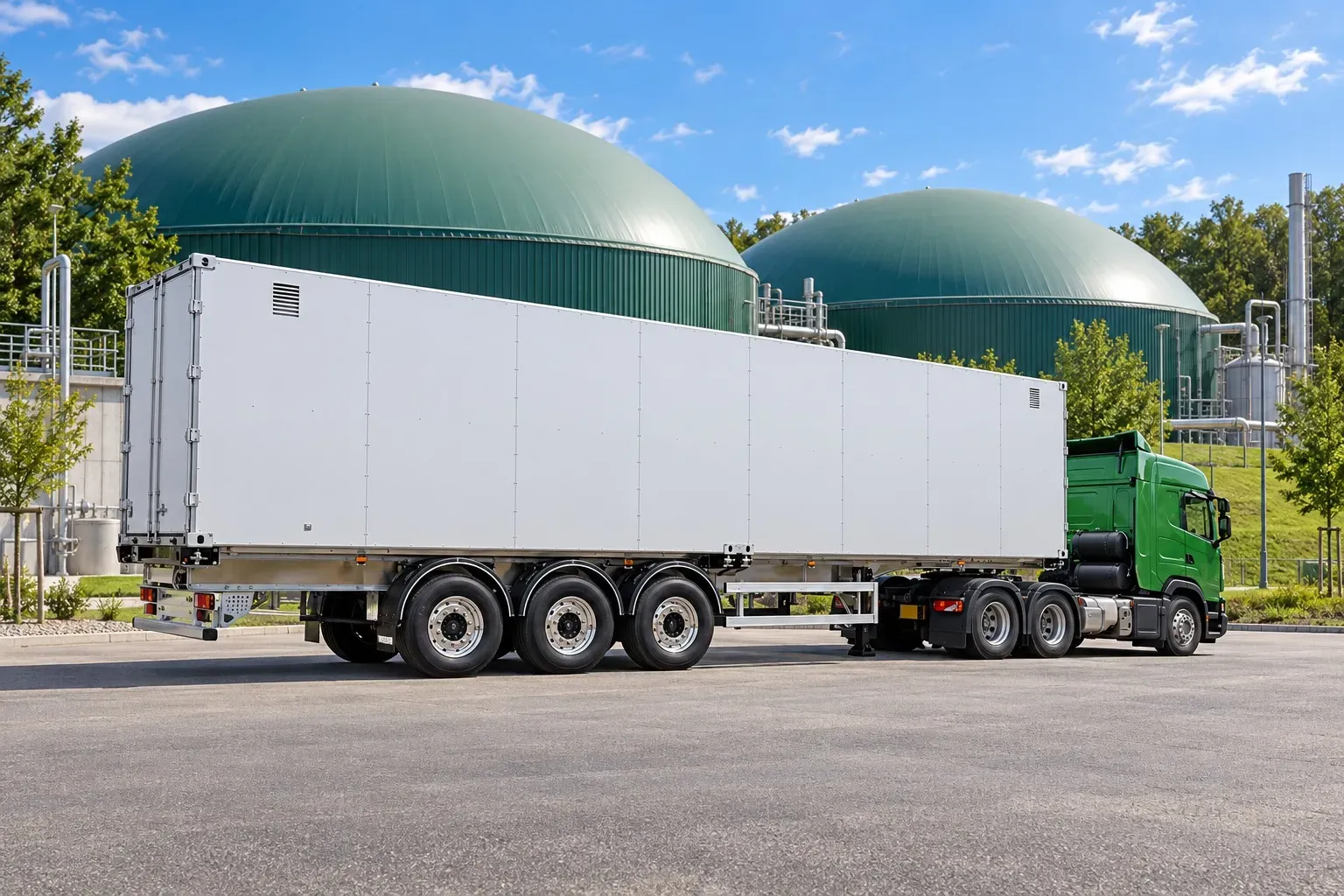
Meet us at BioPower 2026 in Warsaw, stand B36
Gaznet exhibits at BioPower 2026, 29 September – 1 October at Ptak Warsaw Expo, Hall C, stand B36. Meet us to plan biomethane transport in MEGC containers.
Energy
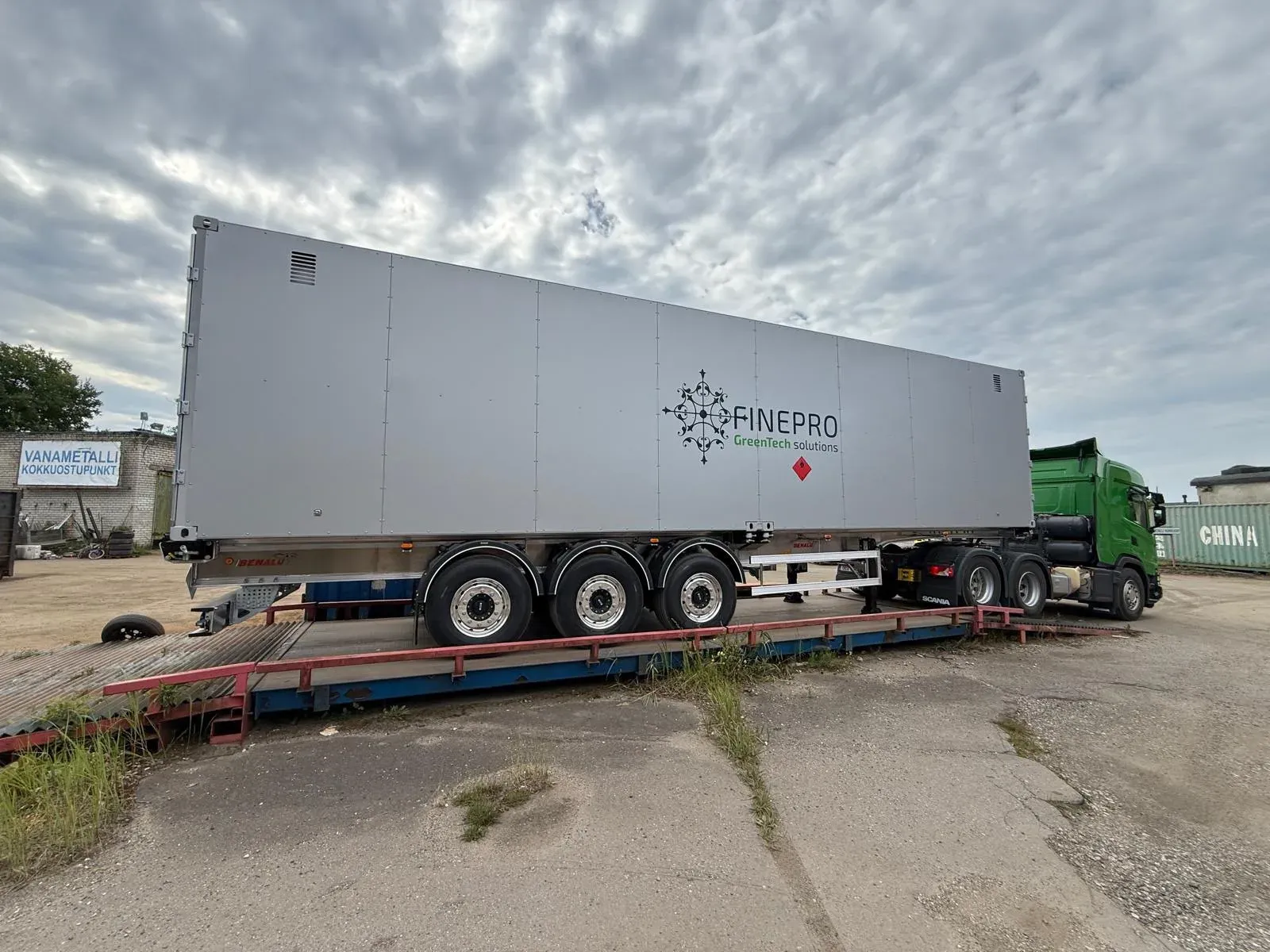
20 ft vs 40 ft MEGC: where the money actually is
The 40 ft MEGC is not cheaper per Nm³ to buy — cylinders are 75% of the cost and scale linearly. Its entire advantage is in the truck. Here is the break-even.
Energy
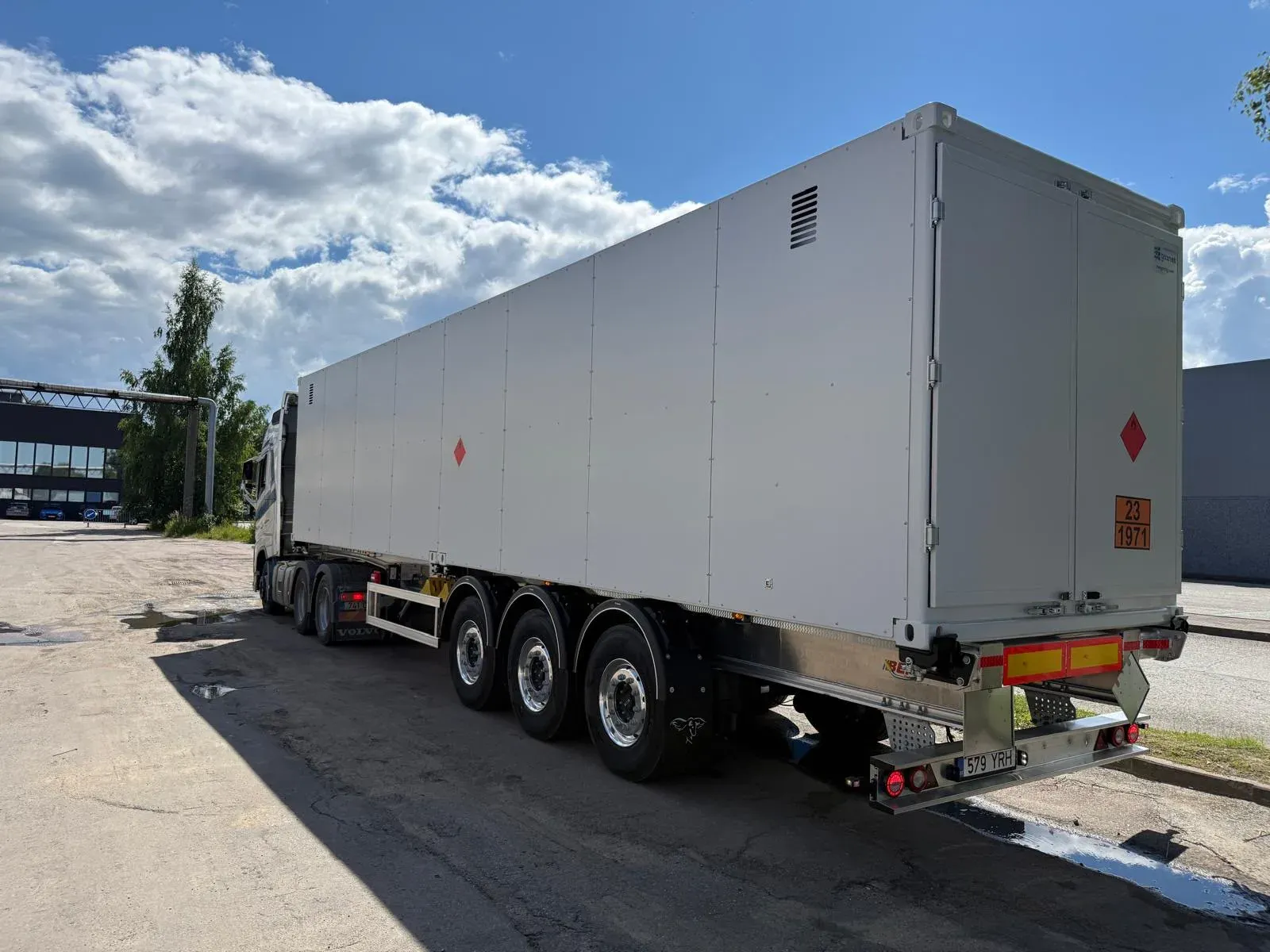
ADR type approval for a MEGC: the complete document pack
Every document required to type-approve a Multi Element Gas Container and to operate it legally under ADR — the full checklist, and what to do if your supplier is missing one.
Talk to our engineers
From CNG and biomethane to hydrogen — we'll scope your project and reply within one working day.