
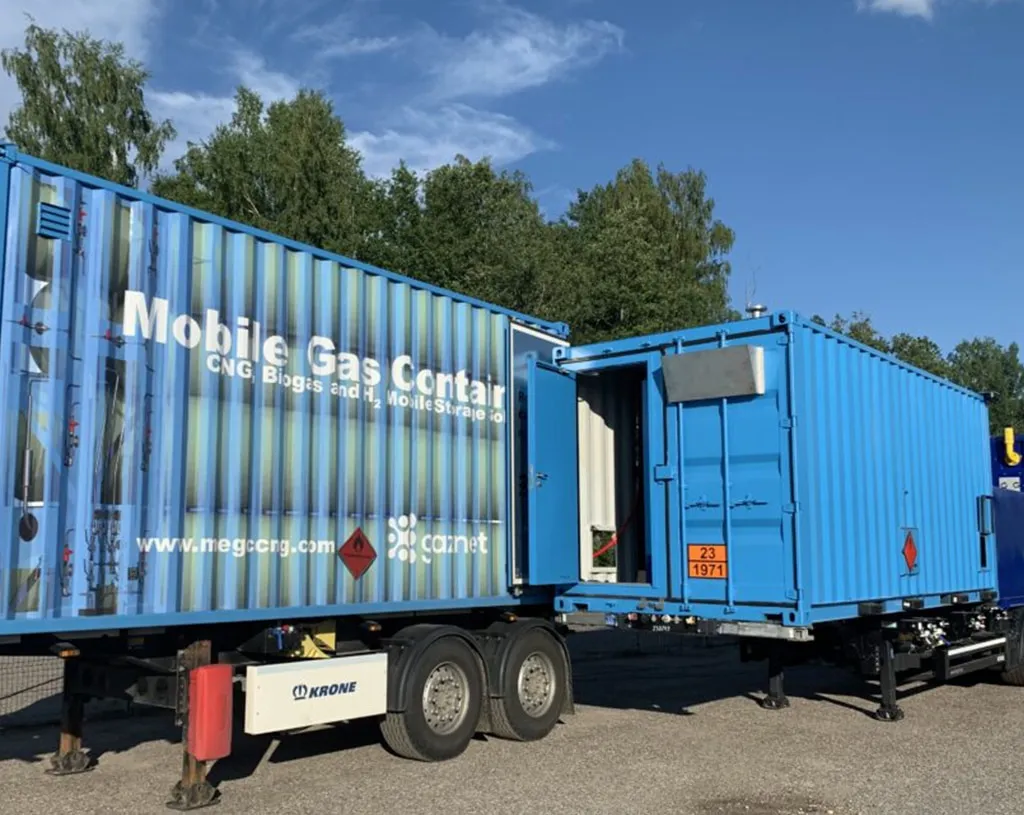
Type-4 composite cylinders are the modern standard for CNG and hydrogen storage in automotive applications, and the gap between Type-4 and the older steel options keeps widening. The reasons are clear once you look at how a cylinder choice flows through the rest of the vehicle: weight, range, manufacturing flexibility, and lifecycle cost all hinge on what the pressure vessel is made of.
Weight is the headline
A Type-4 cylinder uses a polymer (typically HDPE) liner over-wrapped with composite — fibreglass, carbon fibre, or both. The composite carries the pressure load; the liner is essentially a gas barrier. The result is a vessel up to 70% lighter than a steel cylinder of equivalent capacity.
In a vehicle, that weight reduction propagates directly into:
- Fuel efficiency — every kilogram less of cylinder mass is a kilogram less the engine has to accelerate. On a fleet basis the cumulative effect on consumption is measurable.
- Range — for a given vehicle weight budget, more of the budget can be spent on fuel storage rather than on the vessel that holds it.
- Payload — for commercial vehicles, the weight saved on the cylinder bank is weight available for cargo. That’s a direct revenue line.
Lifetime and corrosion
A composite cylinder doesn’t rust. There’s no internal metal surface for moisture or trace contaminants to attack, and no galvanic couple to manage. That translates into:
- Longer service life — Type-4 cylinders routinely stay in service for two decades, with the composite shell tested past the requirements of EN 12245 for fatigue, burst, fire, and impact.
- Fewer destructive inspections — composite vessels need less frequent NDT than equivalent steel cylinders, and the inspection methods are non-destructive for most of their life cycle.
- Lower maintenance cost — no rust to manage, no coatings to maintain on the pressure boundary.
Packaging and chassis integration
Type-4 cylinders come in a wider range of geometries than steel — including conformable shapes for chassis integration. That gives vehicle manufacturers more flexibility on where the cylinder lives. Boot-mounted retrofits remain common, but factory-built CNG vehicles increasingly route the cylinder under the chassis floor, recovering all the cargo space and keeping the cylinder out of impact zones.
Compliance and certification
Type-4 cylinders for automotive use are certified against vehicle-specific standards (ECE R110 for CNG, ECE R134 for hydrogen), in addition to the general pressure-vessel standards (EN 12245, ISO 11119). UMOE Advanced Composite vessels — the cylinders behind Gaznet’s automotive product range — exceed those requirements at the design level, with traceable test files and ADR/PED clearance for road transport and stationary buffer use.
Where Type-4 doesn’t dominate
Heavy stationary applications where weight isn’t the binding constraint still tilt toward Type-1 or Type-2 steel. The cost-per-litre of stored gas is lower for steel at very large volumes, and the inspection economics are well-understood. For mobile applications — where every kilogram of cylinder mass shows up downstream — Type-4 is the correct answer.
The bigger trend
Cleaner transport is no longer optional, and pressure-vessel choice is part of how the transition gets paid for. Type-4 cylinders are the technology that makes the lifecycle economics of CNG and hydrogen vehicles work. If you’re scoping a fleet conversion, our product range covers Type-4 cylinders in the relevant capacity classes; a scoping conversation gets you a configuration matched to your specific vehicle and duty cycle.
Related reading
News
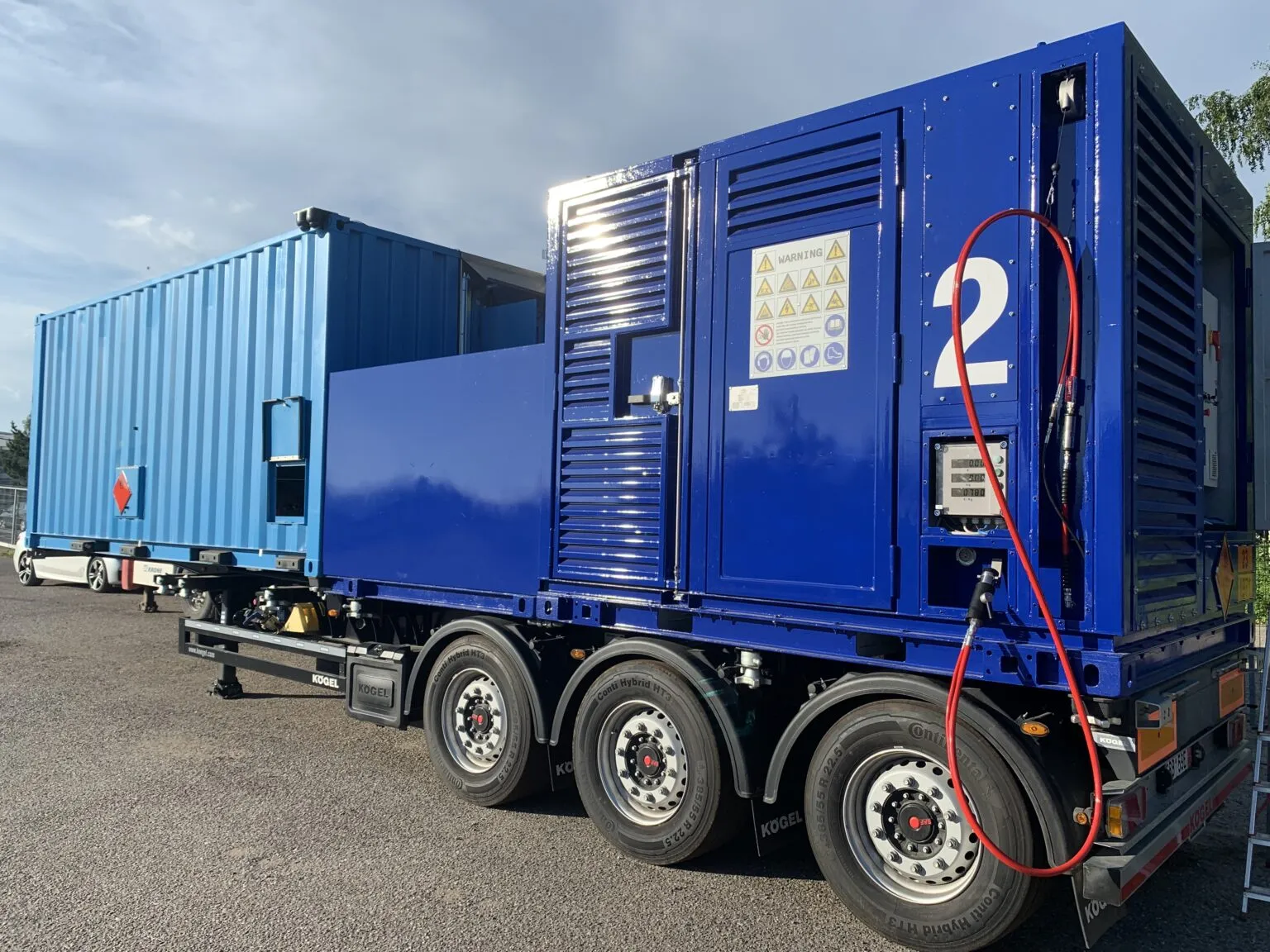
CNG vs LNG storage — pros and cons for different applications
How CNG and LNG compare for storage and transport — energy density, range, infrastructure complexity, and which is the right choice for your specific use case.
News
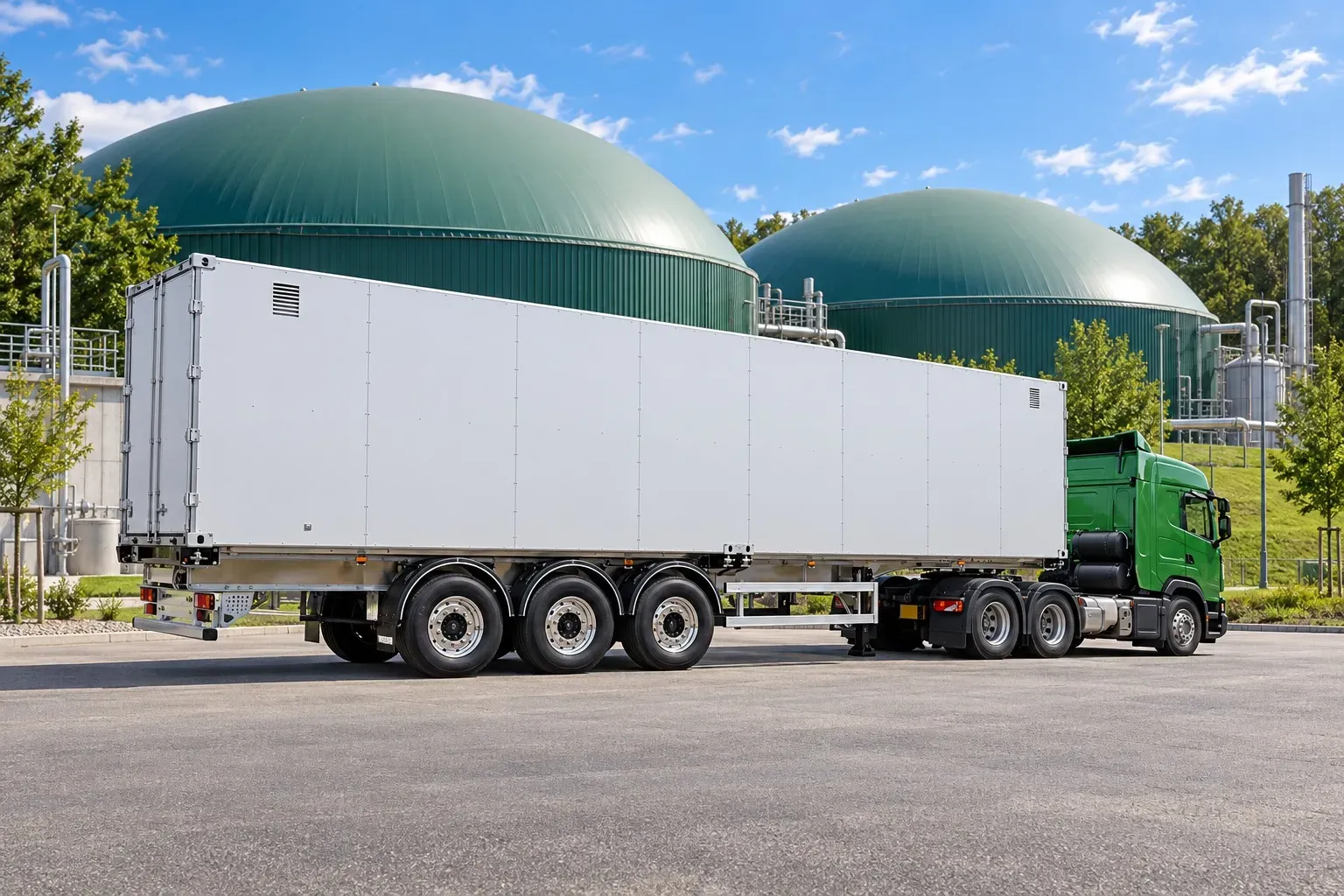
Meet us at BioPower 2026 in Warsaw, stand B36
Gaznet exhibits at BioPower 2026, 29 September – 1 October at Ptak Warsaw Expo, Hall C, stand B36. Meet us to plan biomethane transport in MEGC containers.
News
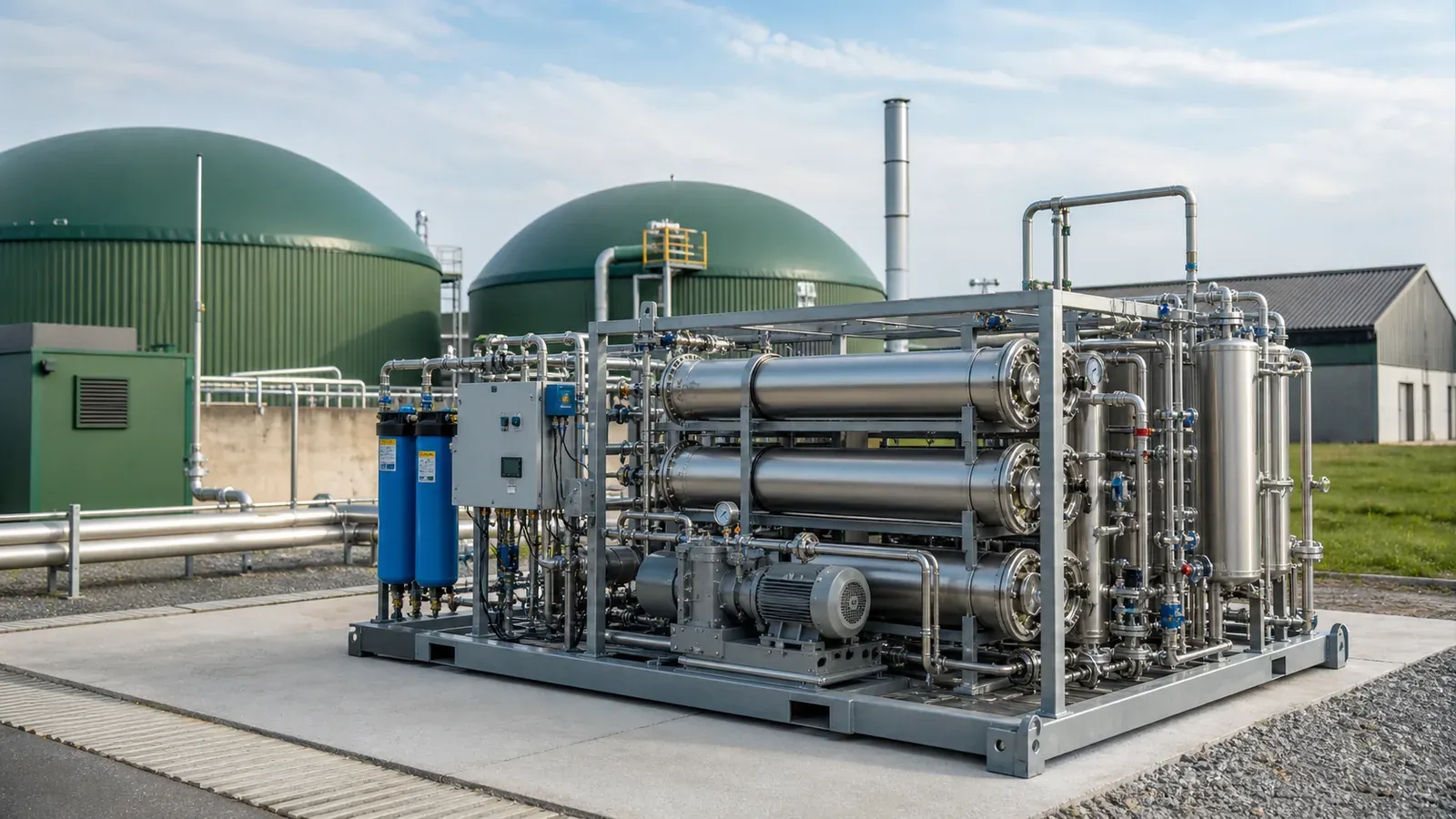
Membrane separation — compact, flexible, and growing fast
How membrane separation upgrades raw biogas to biomethane — the science, the operational economics, and where it fits relative to PSA and water scrubbing.
Talk to our engineers
From CNG and biomethane to hydrogen — we'll scope your project and reply within one working day.